
If you’ve ever wondered why your lips seem to suffer more than the rest of your skin, especially during the colder months, the answer lies in their unique structure.
The skin on our lips is structurally different from the skin everywhere else on the body. Unlike the rest of our skin, lips have a much thinner protective barrier. They lack the fully developed outer layer—the stratum corneum—that normally helps seal moisture in and shield the skin from the outside world.
Without this barrier, moisture escapes much more easily. That’s why lips dry out so quickly, becoming cracked, tight, or uncomfortable, particularly when the air is cold, dry, or windy.
Winter tends to make matters worse. Lower humidity, brisk air, and indoor heating all accelerate moisture loss, leaving lips even more vulnerable.
Interestingly, dryness isn’t caused by a lack of oil glands. Our lips actually contain their own unique oil-producing glands, known as ”Fordyce glands.“ The difference is that lip skin simply can’t hold onto that moisture as effectively as facial skin can. This is also why people taking medications that reduce oil production, like Accutane, often experience extremely dry, chapped lips.
The truth is that lips simply need extra support.
Certain lip balms contain ingredients that can trigger irritant or allergic contact dermatitis, leaving lips feeling even drier than before. Common culprits include synthetic fragrances, cinnamates, and propolis. For some people, this can lead to the feeling of needing to constantly reapply balm without ever fully resolving the dryness.
There’s also a common misconception that lips should be exfoliated the same way we exfoliate the rest of our skin. In reality, lip skin is far more delicate. Because the protective layer is already thin, aggressive exfoliation can remove healthy tissue and leave lips even more sensitive.
When it comes to lips, gentleness always wins.
Instead of scrubbing or constantly switching between lip balms, the goal should be to restore and protect the skin barrier.
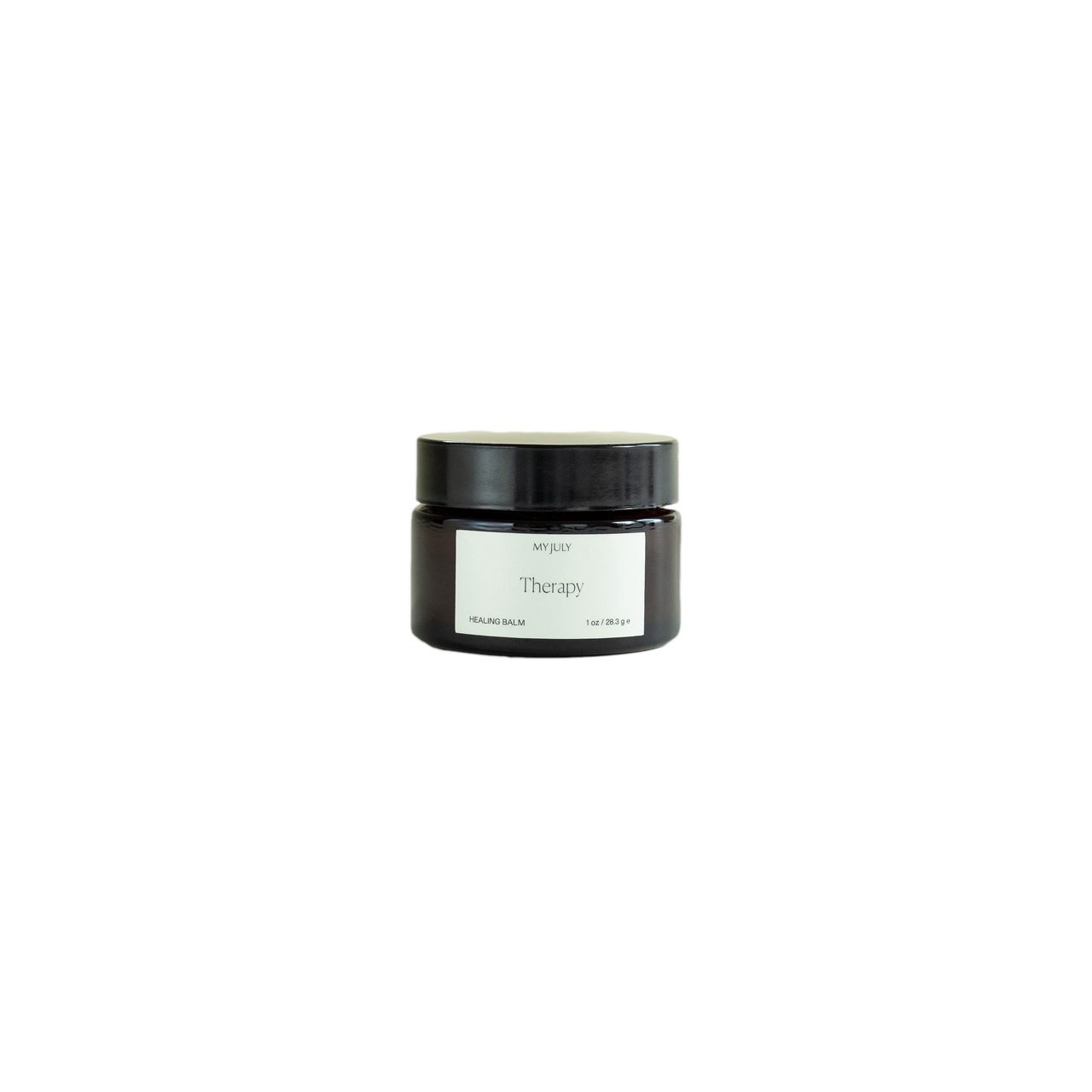
When skin needs extra care, reach for Therapy Healing Balm.
Formulated as an intensive, all-natural spot treatment, this rich balm was designed for the moments when ordinary moisturizers simply aren’t enough. A thicker, denser evolution of our beloved body butters, Therapy Healing Balm forms a protective cocoon over compromised skin, helping to calm irritation, soften roughness, and restore comfort.
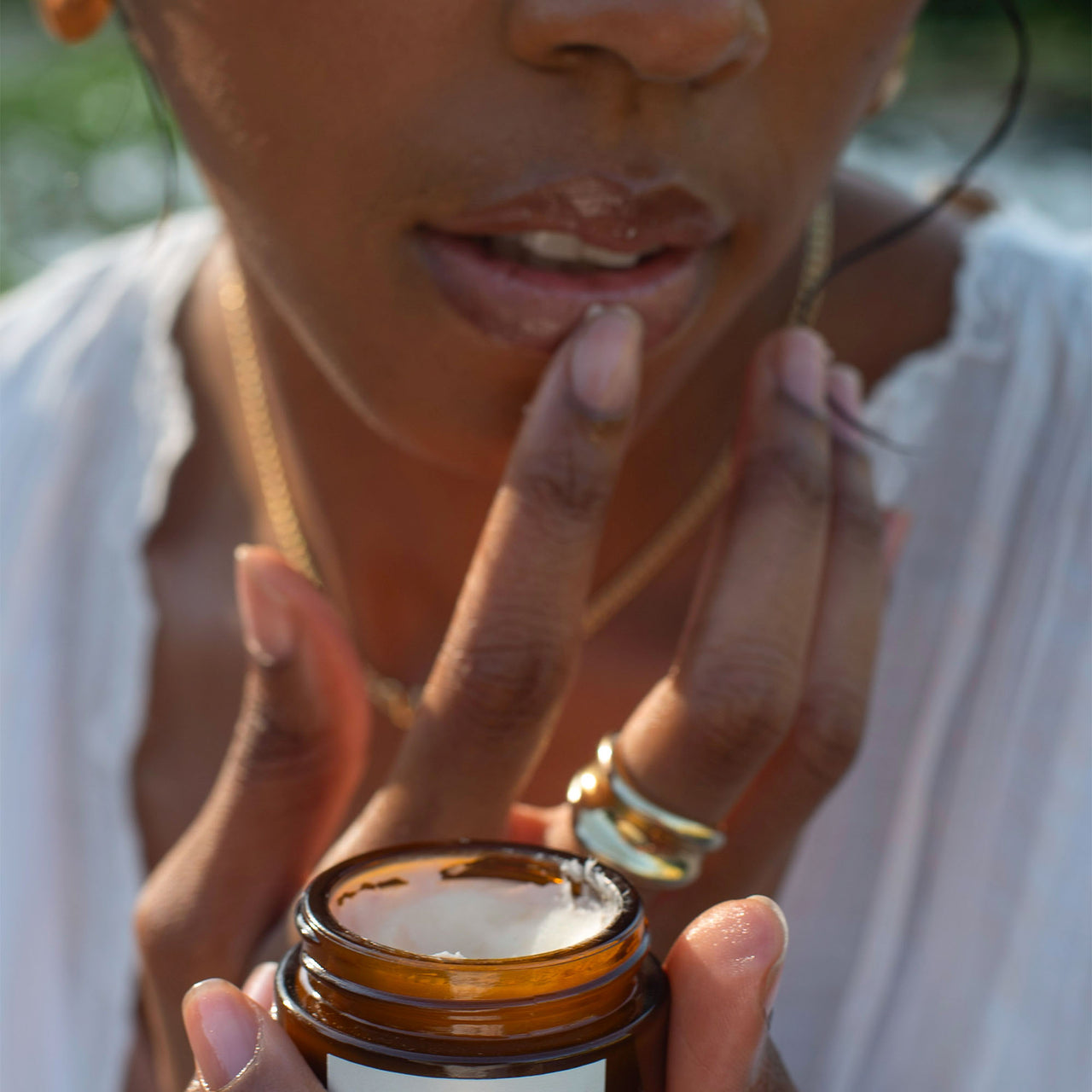
Use it wherever your skin needs extra attention—from chapped lips to rough elbows, cracked heels, fabric-snagging fingertips, or any stubborn patch that refuses to soften.
Sometimes the best solution is simply giving the skin what it needs most: protection, nourishment, and time to heal.